
Cold Weather and Your Transmission: What Every Missouri Driver Should Know
St. Louis winters can be hard on your drivetrain. Here's how to protect it when temperatures drop.
Missouri winters bring a mix of frigid temperatures, ice, and snow that can take a real toll on vehicle components. While most drivers think about their battery, coolant, and tires when the mercury drops, the transmission is equally vulnerable to cold-weather damage — and it's often overlooked until a problem develops. Understanding how cold weather affects your transmission, and what you can do to minimize the impact, can prevent costly repairs and keep your vehicle running reliably all winter long.

How Cold Affects Transmission Fluid
Transmission fluid, like all lubricants, thickens when temperatures drop. When you first start your vehicle on a cold morning and immediately drive hard, the thick, viscous fluid doesn't circulate through the transmission as effectively as it should. This creates a brief window where moving parts are not fully lubricated and hydraulic pressure may be sluggish — leading to delayed shifts, rough engagement, and in extreme cases, accelerated internal wear.
Modern transmission fluids are formulated with cold-weather performance in mind, but older fluid that has already oxidized and thickened with age is far more susceptible. If your fluid is overdue for a change, winter is an especially poor time to defer that maintenance.
The Value of Warming Up Your Vehicle
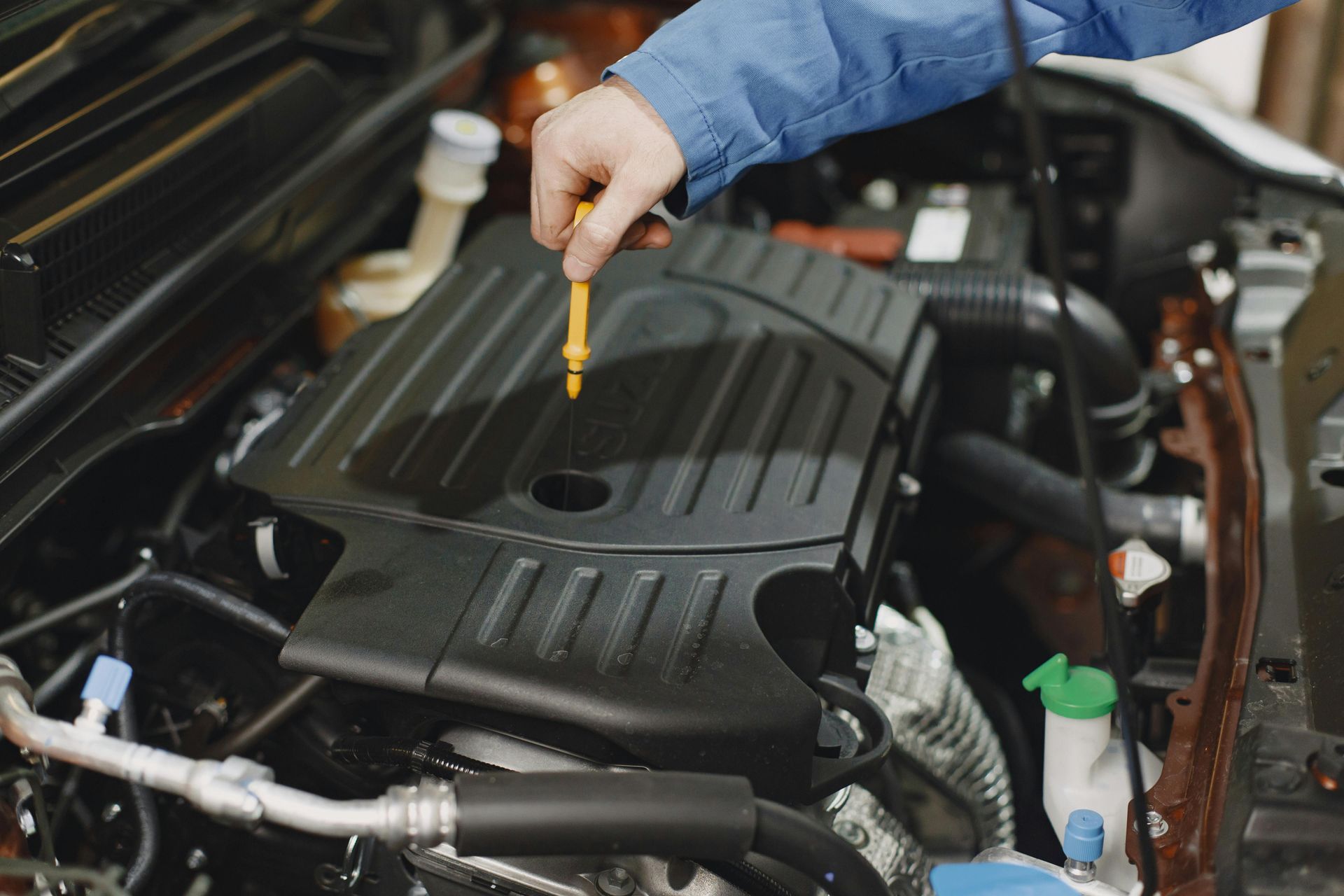
There's an ongoing debate about whether warming up modern vehicles is necessary — and for the engine, brief warm-ups are indeed sufficient. But the transmission is a different story. Unlike the engine, which has an oil pressure gauge and temperature gauge, the transmission temperature is rarely monitored by drivers. On a very cold day, a transmission can take several miles of easy driving before its fluid reaches an optimal operating temperature.
A practical approach: let your engine idle for 30–60 seconds after a cold start, then drive gently for the first few miles. Avoid aggressive acceleration, rapid gear changes, and highway speeds until the transmission has had time to warm up. This simple habit costs nothing and significantly reduces cold-start wear over time.
Snow, Ice, and Transmission Stress
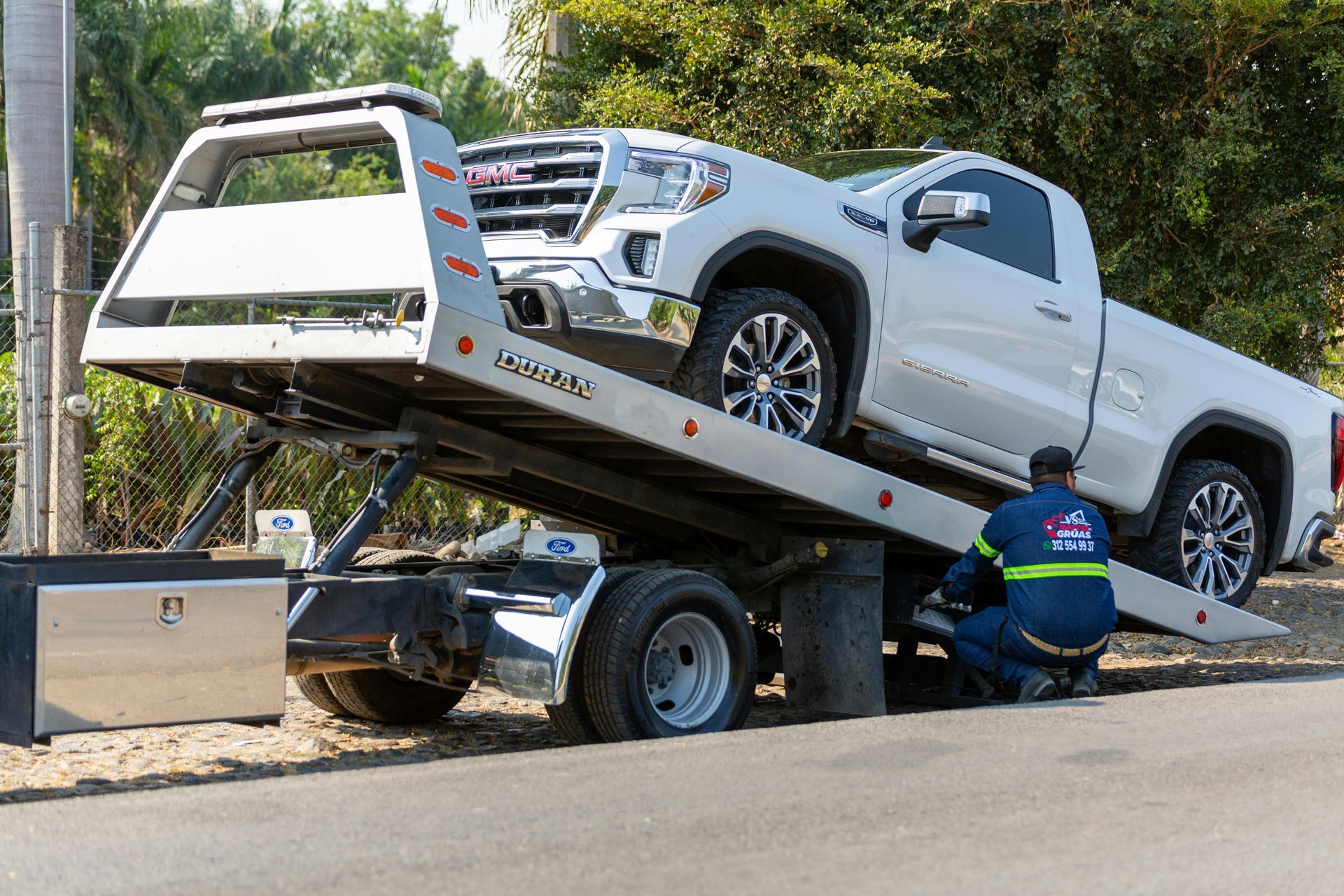
Getting stuck in snow creates unique transmission stress. When wheels spin without traction and then suddenly grip, the transmission experiences torque shock — a sudden jolt that can damage clutch packs and other internal components over time. Repeatedly rocking a vehicle back and forth between drive and reverse in an effort to free it from snow is one of the fastest ways to cause transmission damage.
If you frequently drive in winter conditions, ask Bob's Transmission about a winter inspection. We can check your fluid condition, look for any wear indicators, and make sure your transmission is fully prepared for the demands of cold-weather driving.
Winter Ready? Schedule a Pre-Season Transmission Inspection.
Bob's Transmission serves Maryland Heights, MO and all of the St. Louis metro with honest estimates and warrantied work.
📞 (314) 291-8890 | 🌐 www.bobstrans.com
330 Zodiac Industrial Court, Maryland Heights, MO 63043