
Automatic vs. Manual Transmission: What You Need to Know for Maintenance
Two very different systems — two very different maintenance needs.
When it comes to vehicle transmissions, one of the most fundamental distinctions is whether your car uses an automatic or manual (stick shift) gearbox. While both systems accomplish the same basic goal — transferring engine power to your wheels — their internal designs are dramatically different, and so are their maintenance requirements. Understanding these differences can help you be a more informed vehicle owner and better prepared when issues arise.
How Automatic Transmissions Work
Automatic transmissions use a complex hydraulic system, planetary gearsets, and a torque converter to shift gears on your behalf. The transmission control module (TCM) monitors speed, throttle position, engine load, and dozens of other variables to determine the optimal moment to shift up or down. This all happens in fractions of a second without any input from the driver.
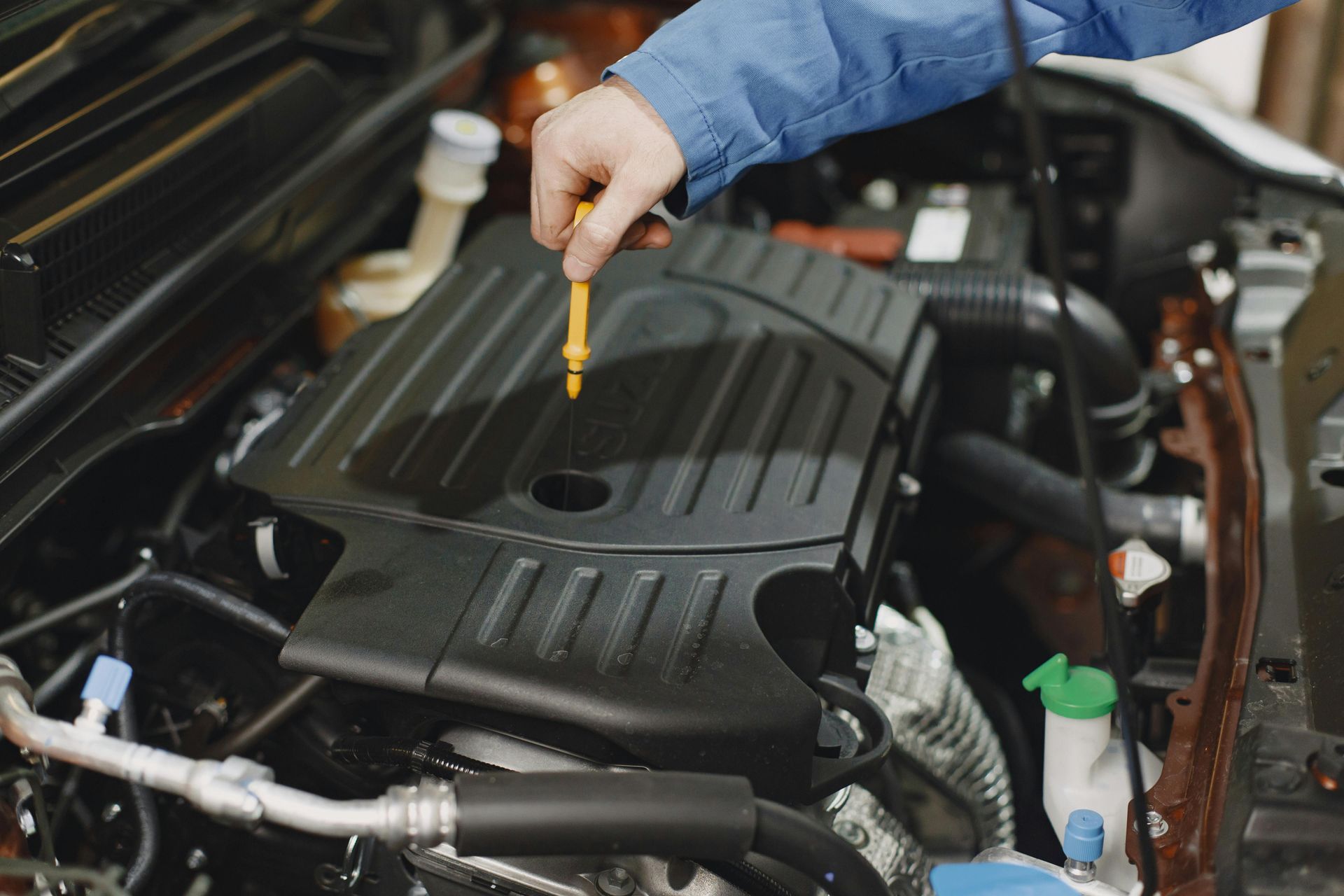
Because automatic transmissions rely so heavily on hydraulic pressure, the condition of your transmission fluid is paramount. Degraded or low fluid directly compromises the system's ability to shift smoothly and reliably. Most manufacturers recommend a fluid service every 30,000–60,000 miles, though many modern vehicles now use "lifetime" fluid — a claim many transmission specialists, including our team at Bob's, view with healthy skepticism based on real-world experience.
How Manual Transmissions Work
Manual transmissions use a driver-operated clutch to disengage engine power while gears are selected by hand. Inside the gearbox, synchronized gears mesh together mechanically rather than hydraulically. This simpler design generally means manual transmissions are more durable and less expensive to maintain — but the clutch system is an additional wear component that automatics don't have.
Manual transmission fluid (also called gear oil) doesn't break down as quickly as automatic transmission fluid, but it still requires periodic replacement — typically every 30,000–60,000 miles. The clutch, pressure plate, and flywheel also need to be inspected and eventually replaced depending on driving habits. City driving with frequent stop-and-go traffic accelerates clutch wear significantly compared to highway driving.
CVT and Dual-Clutch: The New Generation
Beyond traditional automatics and manuals, many modern vehicles now use continuously variable transmissions (CVTs) or dual-clutch transmissions (DCTs). CVTs use a belt-and-pulley system to provide infinite gear ratios, while DCTs combine elements of both automatic and manual designs for lightning-fast shifts. Both require specific fluid types and maintenance intervals that differ from conventional transmissions.
At Bob's Transmission, we service all transmission types — traditional automatics, manuals, CVTs, and DCTs. Whatever you're driving, we have the expertise and equipment to keep it running at its best.
Not Sure What Type of Transmission You Have?
Give us a call and we'll walk you through it. Honest estimates, warrantied work, and decades of experience serving the St. Louis area.
📞 (314) 291-8890 | 🌐 www.bobstrans.com
330 Zodiac Industrial Court, Maryland Heights, MO 63043