
How Towing and Heavy Loads Affect Your Transmission
If you haul or tow, your transmission needs more frequent attention than most drivers realize.
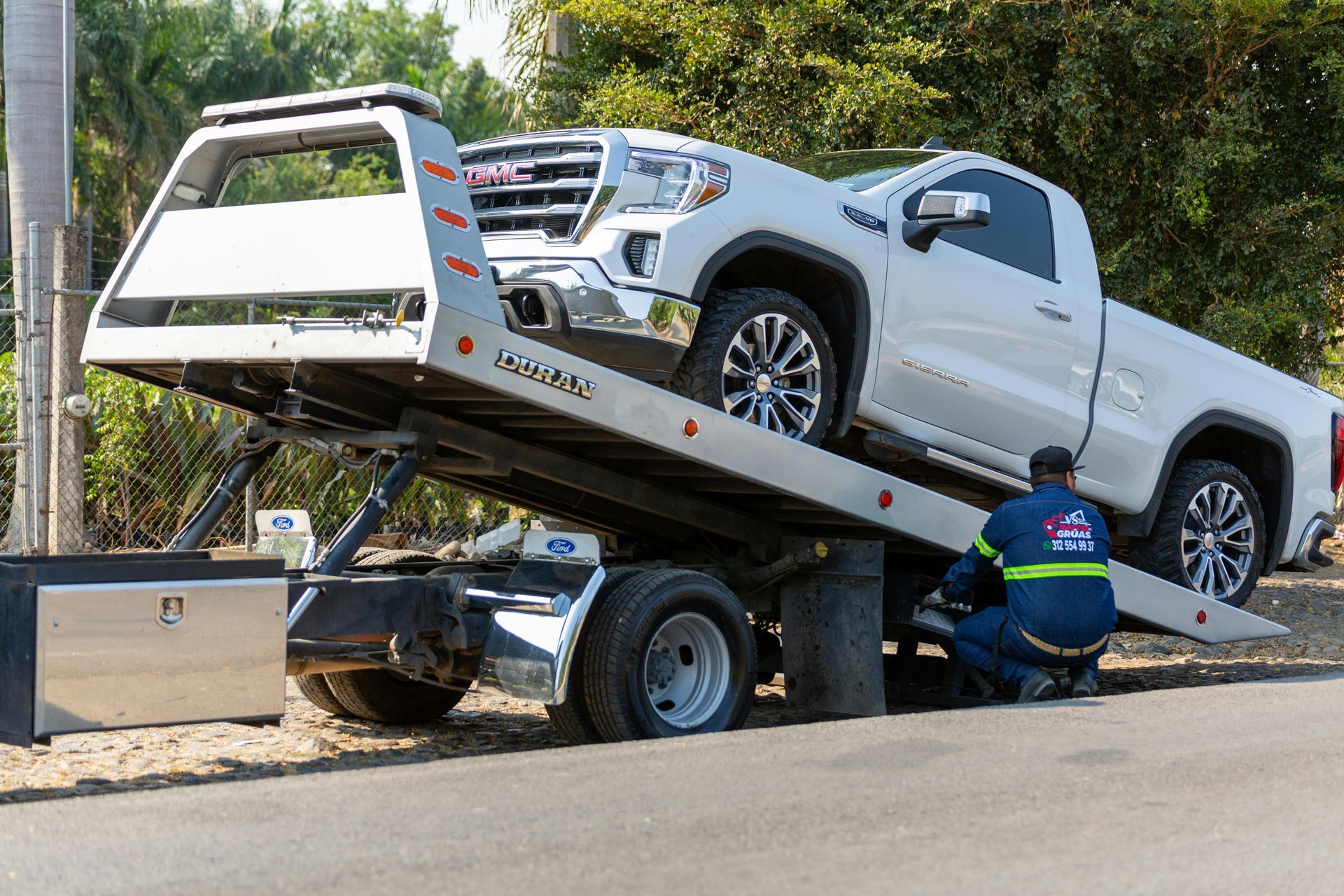
Towing a trailer, hauling heavy cargo, or regularly driving a loaded pickup truck puts your transmission under significantly more stress than everyday highway driving. Heat is the number one enemy of transmission components, and towing dramatically increases the heat generated inside your transmission. Understanding the additional demands placed on your drivetrain — and how to compensate for them with appropriate maintenance — can prevent premature failures and extend the life of both your transmission and your vehicle.
Why Towing Creates Thermal Stress
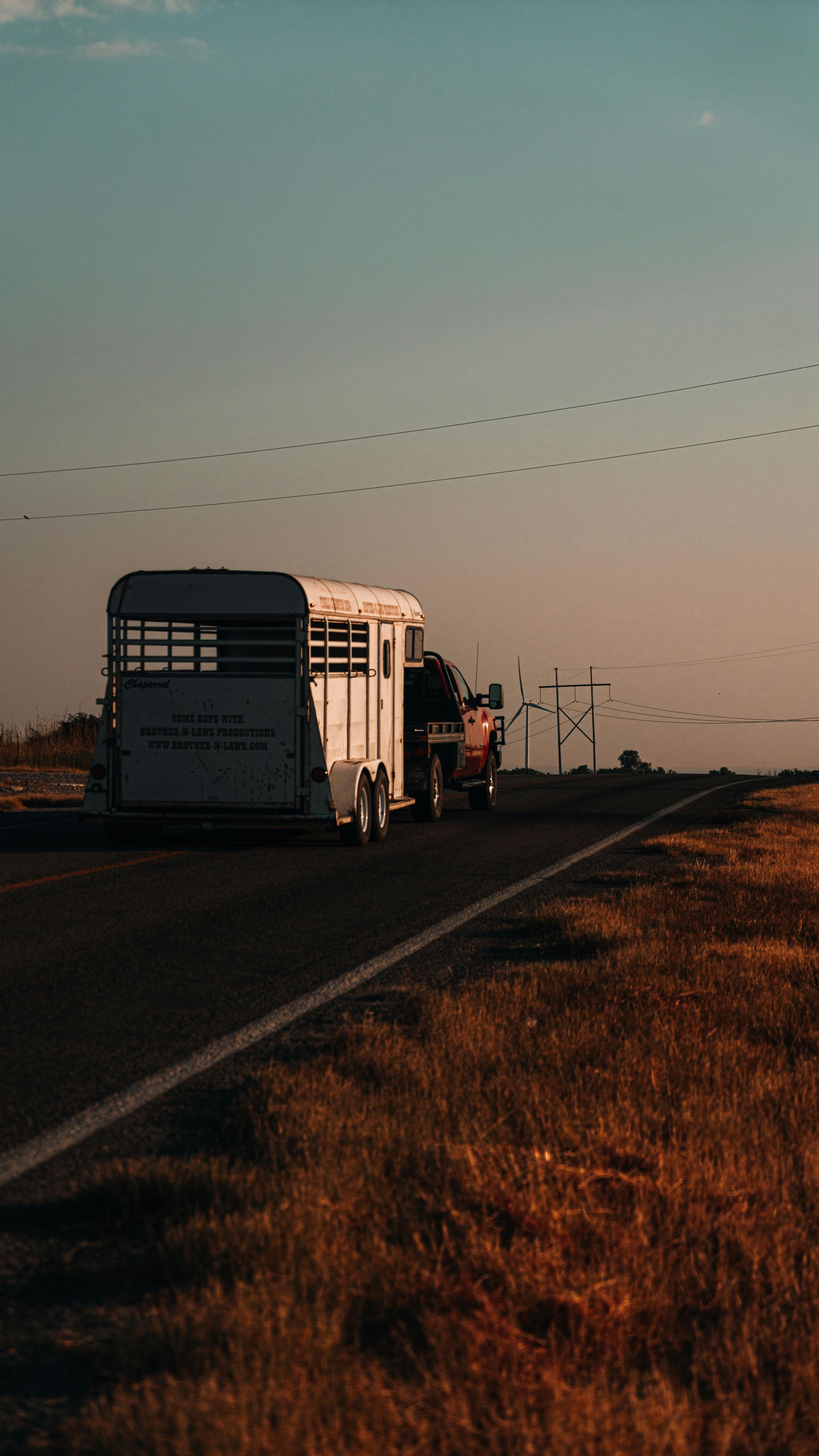
Under normal driving conditions, your transmission generates heat through the friction of its internal components, but that heat is manageable and dissipated efficiently by the transmission cooler. When you tow, however, you're asking your transmission to move far more mass — and that exponentially increases the internal friction, hydraulic pressure, and heat generated with every gear change, every hill climb, and every slow-down.
The torque converter — which transfers power from the engine to the transmission — works exceptionally hard when towing. It essentially acts as a fluid coupling, and under heavy load it can generate tremendous heat, sometimes enough to damage the seals and clutch material inside if it isn't cooled adequately.
Most transmission manufacturers recommend cutting your normal fluid service interval roughly in half if you regularly tow at or near your vehicle's rated capacity. So if your manual says to change fluid every 60,000 miles under normal conditions, a vehicle that regularly tows should have it serviced around 30,000 miles instead.
The Role of a Transmission Cooler
Many trucks and SUVs rated for towing come equipped with an external transmission cooler — either integrated into the radiator or as a standalone air-cooled unit in front of the vehicle. These coolers run the hot transmission fluid through a network of small tubes where it can shed heat before returning to the transmission.
If you do significant towing and your vehicle doesn't have an aftermarket transmission cooler, adding one is one of the highest-value modifications you can make. It's a relatively affordable upgrade that can dramatically extend transmission life. Bob's Transmission can advise you on whether your specific vehicle would benefit from an auxiliary cooler.
Driving Tips to Protect Your Transmission While Towing
Beyond maintenance, your driving behavior can significantly impact transmission health while towing. Always allow your engine and transmission to warm up before pulling a heavy load, especially in cold weather. Use tow/haul mode if your vehicle has it — this adjusts shift points to reduce the number of gear changes and keep the transmission in more optimal operating ranges.
Avoid riding your brakes on long downhill grades. Instead, downshift to use engine braking, which reduces heat buildup in both your brakes and transmission. After a long tow, let your vehicle idle for a few minutes before shutting it off to allow heat to dissipate properly.
Tow Frequently? Let's Check Your Transmission.
Bob's Transmission provides honest evaluations and warrantied service for all vehicle types. Serving Maryland Heights, MO and the St. Louis area.
📞 (314) 291-8890 | 🌐 www.bobstrans.com
330 Zodiac Industrial Court, Maryland Heights, MO 63043